Scientific background
The topic of block distractions remote work cannot be explained by one metric alone. This page connects the behavior chain, risk windows, and practical protection steps.
What do we know?
| Finding | Practical meaning |
|---|---|
| Decision fatigue | The main issue behind block distractions remote work is often not lack of knowledge; it is having to remake the same focus decision after the session has started. Automatic blocking moves that decision earlier. |
| Environment design | Silencing notifications, moving the phone out of sight, and removing browser shortcuts reduce the cost of staying focused. A blocker is the technical layer of that environment. |
| Measured repetition | Tracking completed sessions and blocked attempts is more useful than aiming for one perfect deep-work day. The schedule should improve from real friction points. |
Practical implications
Research findings translate to daily life in these ways: Rather than simply limiting duration, changing the content and timing of usage produces more effective results.
- Change content type: Active, purposeful usage instead of passive consumption
- Adjust timing: Start protection before the risky window begins
- Design your environment: Charge the phone outside the bedroom
- Add replacement routines: Fill free time with offline activities
How to apply with EasyBrick
To put these research findings into practice, you can use EasyBrick's scheduled blocking, category protection, and accountability features.
The missing check most people skip
The common mistake with block distractions remote work is testing the rule only in ideal conditions. The real check is what happens when you are tired, late at night, rushing, using another browser, or holding a second device. During setup, verify that the block page appears, notifications are reduced, and rule changes are not effortless.
Use this block distractions remote work page as a setup checklist, not only as background reading. Write down your primary risk scenario, configure the rule, test it across your main device, backup device, and browser paths, then review what changed after a week.
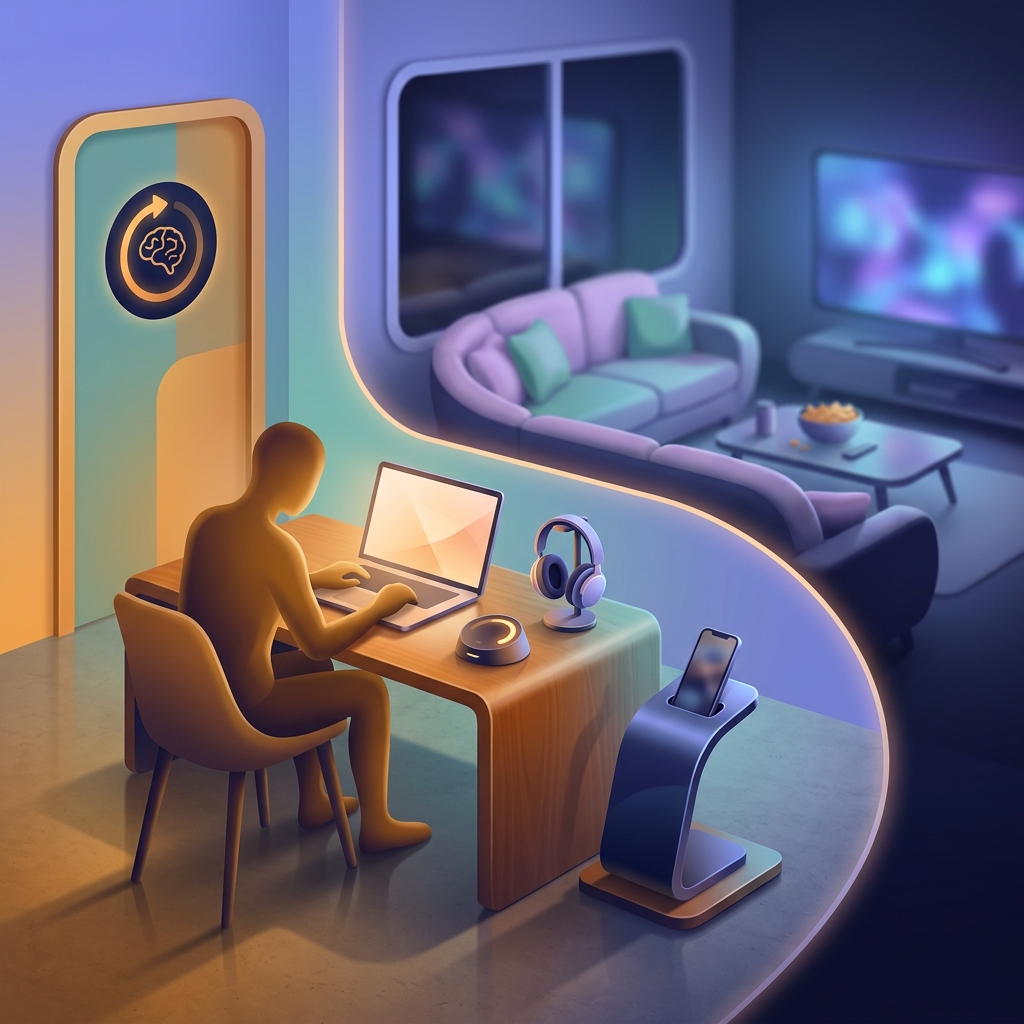
Build the protection wall
Block risky sites, apps, and time windows without relying on yourself to remember every rule manually.
Frequently asked questions
Is deleting the app enough for block distractions remote work?
Deleting the app can help, but it rarely covers browser access, alternate domains, notifications, ads, or reinstalling during a high-risk moment.
Does a blocker replace willpower?
No. A blocker protects willpower by moving the decision earlier, when you are calmer and more likely to choose the rule you actually want.
Should I involve another person?
For gambling, relapse, or repeated late-night loops, involving a trusted person often makes rule changes safer and reduces secrecy.
Is this medical advice?
No. This is an educational access-reduction guide. If gambling or compulsive use is causing harm, seek qualified professional support.
How does EasyBrick help?
EasyBrick helps by combining category blocking, schedules, cross-device protection, and accountability-oriented rules in one system.
How quickly should I expect results?
Access gets harder immediately after setup. Longer-term results depend on monitoring, replacement routines, and keeping the rules active through risky windows.
This guide is educational. If gambling or compulsive screen use is causing financial, family, work, or mental-health harm, include qualified professional support in your plan.